
First chill night of the light festival, the harbour blinked like a living mural and the decks felt calm underfoot. We shaped the plan around tides, sightlines, and how the group actually moves—slow arcs, warm layers, and a skipper who reads ferry rhythms. Rather than chasing the loudest option, the focus stayed on clean views and time to breathe between precincts. In that context, vivid Sydney boat hire fits as a simple category marker—an event-ready way to frame vessels and routes without turning the evening into a scramble.
Why a boat changes the Vivid experience
Onshore crowds stack quickly; on the water, you get a moving front-row seat. The difference isn’t just novelty—it’s the way pace, angles, and reflections work together.
Clear sightlines: Elevated rails give uninterrupted views across multiple precincts without elbowing for space.
Flexible positioning: Skippers ease around wake, traffic, and security zones to keep angles steady for photos.
Comfort balance: Indoor lounges and open decks let people warm up, then step out when the skyline peaks.
Gentle pacing: Slow passes and soft turns create repeat chances for clean shots without shore glare.
That quiet feel doesn’t happen by accident; it comes from planning a short loop, keeping numbers honest, and letting the harbour set the tempo.
Safety and licensing that sit in the background
Good nights are built on rules that fade politely into the scenery. You don’t need to memorise regulations; you just want to know the foundation is solid.
Qualified operators: Licensed crews handle navigation, radio calls, and passenger limits while you enjoy the view.
Speed awareness: Festival traffic means lower speeds and deliberate manoeuvres that keep decks calm.
Briefings that matter: Two minutes on rails, aisles, and camera etiquette reduces surprises later.
Weather choices: If wind lines build, detours keep photos steady and conversations easy.
When curiosity about credentials pops up, boat licence in NSW explains the pathway for lawful operation. It’s reassuring background rather than a focus of the night.
Matching vessel type to the way you like to watch
Not every hull frames Vivid the same way. The best choice comes from how people use space—lean at the rail, drift between decks, or settle inside and pop out for the headline moments.
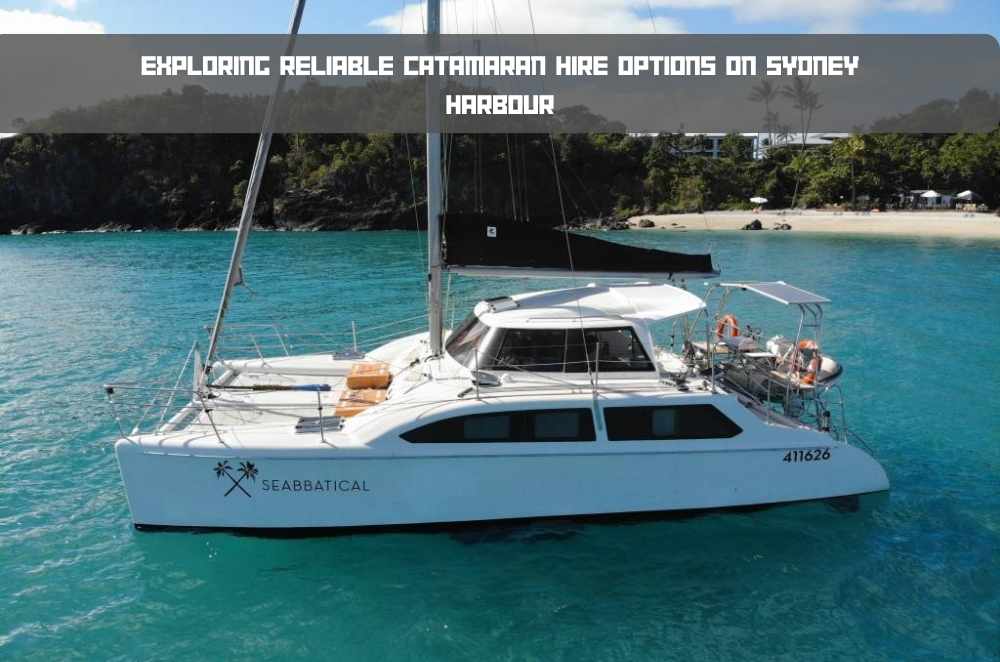
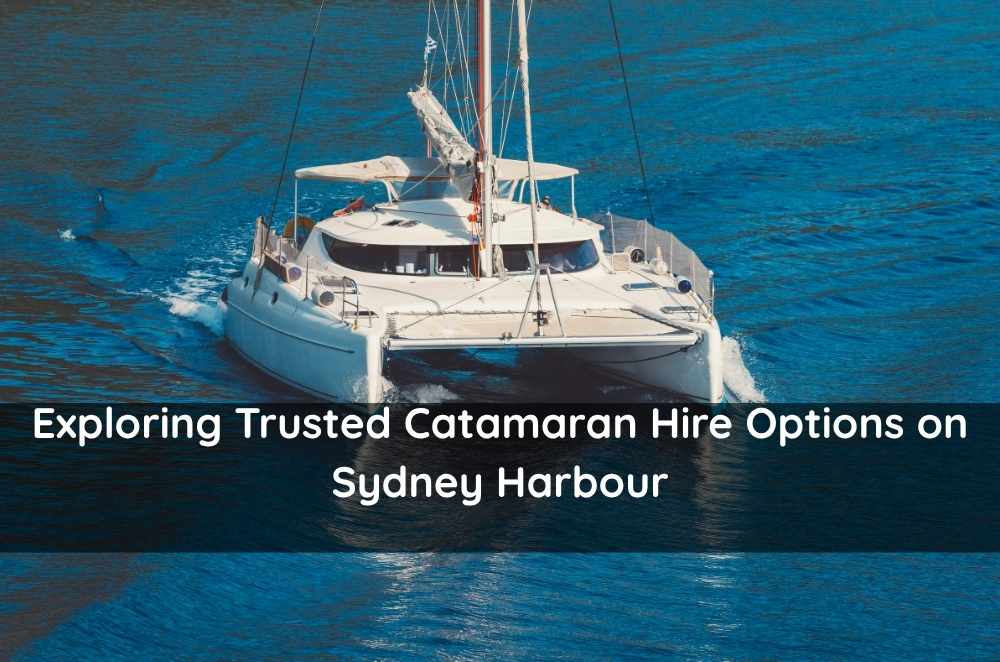
Catamaran stability: Twin hulls bring a broad, steady platform that feels relaxed in cross-wind.
Open vs enclosed: Open decks favour photography; enclosed salons win when the breeze sharpens.
Crew flow: Clear zones and patient cues make loading, anchoring, and repositioning feel effortless.
Group size logic: Smaller gatherings breathe on compact decks; bigger groups need multiple vantage points.
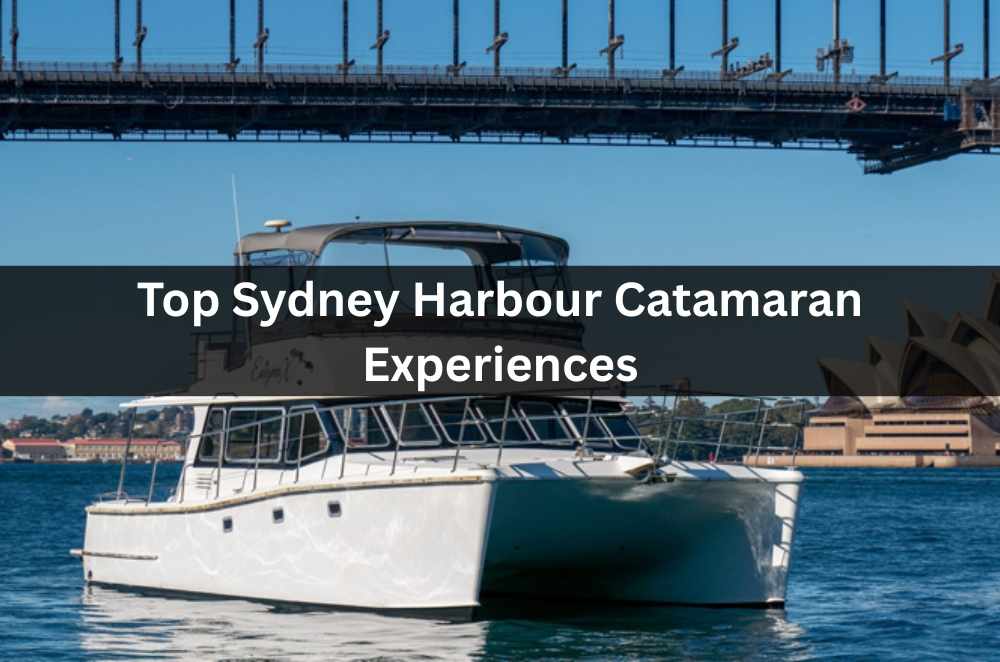
For a feel of how wide-beam layouts support calm viewing, Sydney Harbour catamaran experiences shows why stable platforms help people relax into the colour rather than chase it.
Timing and routes that quietly maximise the view
Great festival nights rarely sprint. They flow—set off early, claim a calm pocket, and move with the harbour rather than against it.
Early departure: Leaving in the last light lets everyone learn the deck before the glow deepens.
Short loops: Compact circuits near key installations beat long pushes through busy lanes.
Reflections as art: Wind shadows near headlands steady the surface and double the lights.
Tidy anchoring: Brief pauses near sheltered corners create a gallery feel without blocking traffic.
If the plan includes a toast or a milestone, ideas for pacing the night fit neatly with celebrating on Sydney Harbour—useful context when balancing festival focus with a gentle party rhythm.
What to bring and how to move on deck
A light touch makes the boat feel bigger and the photos cleaner. Pack less, but pack smart.
Layered clothing: Evenings can pivot; compact layers keep comfort steady without cluttering benches.
Soft-soled shoes: Grip without scuffing decks and safer footing during slow turns.
Small bags: Stow under seating so walkways stay clear when cameras come out.
Screen etiquette: Dim displays and skip flash; night vision and images both improve.
Small courtesies—quiet during manoeuvres, hands free at docking, and gear tucked away—give the skyline room to do the talking.
Common missteps that blur the magic
None of these is dramatic alone; together they muddy the view and fray the mood. Avoid them and the harbour does the rest.
Late starts: Miss the calm first loop and inherit everyone else’s wake.
Overfilling: Too many bodies flatten sightlines; comfort beats headcount.
Ignoring wind lines: Choppy water and spray dull reflections; shelter makes shots sing.
Hard playlists: Loud tracks clip the ambience; softer beds widen the room for colour.
The aim is a glide, not a sprint—gentle speed, tidy decks, and patient arcs past the brightest edges of the city.
A practical wrap from the water
Two seasons of the festival taught the same lesson: plan the first twenty minutes like a puzzle and the rest of the night clicks into place. We pushed off before sunset, let people map the deck, and fell into an easy loop that drifted outside the busiest lanes. When wakes stacked up, we tucked into a lee, let the harbour exhale, and moved again when the reflections smoothed. Inside, warm hands around cups; outside, quiet voices at the rail. The skyline felt close without feeling crowded. That rhythm—early start, short circuits, soft repositioning—turns colour into calm. Treat timing as your compass and comfort as your anchor, and the lights become more than something to look at; they become something you feel moving gently under your feet.

Write a comment ...